
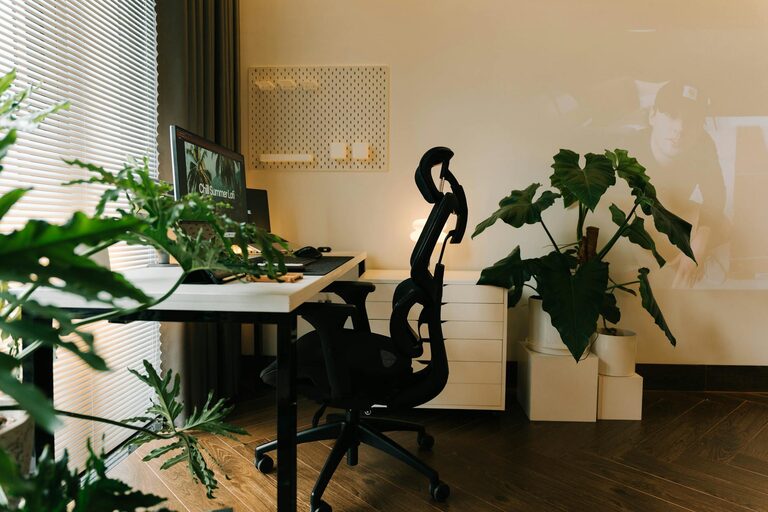
Creating a home workspace that is both relaxing and productive can greatly improve your work-from-home experience. Whether you’re working remotely full-time, freelancing, or just need a dedicated area for occasional tasks, the right environment can make all the difference in your focus and wellbeing.
In this post, we’ll explore practical tips to help you set up a home workspace that supports concentration and relaxation, so you can enjoy your workday from the comfort of your home.
Choosing the Right Location
The first step in creating an effective home workspace is selecting the right spot. Consider the following:
– Natural Light: Aim for a place near a window to benefit from natural light. Daylight helps regulate your body clock and reduces eye strain, making you feel more alert and refreshed.
– Quietness: Find a low-traffic zone or a room that minimises distractions. This helps maintain focus, especially if you need to attend virtual meetings or work on detailed tasks.
– Ventilation: Fresh air improves concentration and comfort. Select a space that can be aired regularly to avoid stuffiness.
Organising Your Workspace
An organised workspace promotes productivity and reduces stress. Here are some organisation tips:
Declutter Regularly
Keep only essential items on your desk. Remove unnecessary papers, gadgets, and other distractions to create a clean, neat area that helps you think clearly.
Use Storage Solutions
Utilise shelves, drawers, and organisers to store supplies within easy reach. Label boxes and folders to quickly find what you need without wasting time.
Prioritising Ergonomics
Your home workspace should support good posture and reduce physical strain. Consider these ergonomic tips:
– Desk and Chair Height: Your desk and chair should be at a height where your forearms are parallel to the floor when typing. Your feet should rest flat on the ground.
– Supportive Chair: Invest in a comfortable chair with good lumbar support to prevent back pain.
– Keyboard and Screen Position: Position your keyboard so your wrists are straight, and adjust your monitor to eye level to avoid neck strain.
Creating a Relaxing Atmosphere
A calm environment boosts creativity and reduces anxiety. To foster relaxation, try:
Choose Soothing Colours
Opt for soft, neutral colours or pastel tones on walls and décor. Shades like light blue, green, or beige have calming effects.
Add Natural Elements
Incorporate plants, fresh flowers, or natural materials like wood. These elements connect you with nature and can reduce stress.
Personalise Your Space
Display a few personal touches, such as photos, artwork, or inspirational quotes. Personalisation makes your workspace inviting but avoid over-cluttering.
Managing Noise Levels
Noise can disrupt your workflow and concentration. Here’s how to manage sound:
– Noise-Cancelling Headphones: Useful if you cannot control the noise in your surroundings.
– Soft Background Music: Some people find gentle instrumental music helps focus and creates a pleasant ambience.
– Soundproofing: Use rugs, curtains, or acoustic panels to absorb excess noise if possible.
Optimising Lighting
Proper lighting reduces eye strain and improves overall comfort.
– Use Adjustable Lighting: Have a mix of ambient light and task lighting, such as a desk lamp, to suit different activities and the time of day.
– Avoid Glare: Position screens perpendicular to windows and use blinds to control sunlight.
Taking Breaks and Moving Around
Even the best workspace needs breaks. Set reminders to stand, stretch, or take short walks every hour to promote circulation and reduce fatigue.
Establishing Routines
Creating a routine signals to your brain when it’s time to work and when to relax.
– Begin your day by preparing your workspace.
– Set specific working hours.
– At the end of your workday, tidy your desk to create a clear divide between work and leisure.
Technology and Connectivity
Ensure your internet connection is reliable to avoid interruptions. Keep chargers, cables, and devices organised and within reach to maintain smooth workflow.
—
By combining these tips, you can create a home workspace that supports both productivity and relaxation. A well-designed space encourages focus, reduces stress, and helps you enjoy your work from home. Remember, small adjustments can lead to significant improvements in your daily routine.
Happy working!